


Every year, as lakhs of Warkaris converge on Pandharpur for the sacred Ashadhi Ekadashi pilgrimage, another centuries-old tradition quietly unfolds in the heart of Mumbai. Near Wadala Railway Station stands a temple that devotees lovingly call “Prati Pandharpur”—a place believed to have preserved the spirit of Pandharpur for nearly four centuries.
Read article in your language:
For thousands of Mumbaikars who cannot undertake the long pilgrimage to Solapur district, the Shri Vitthal-Rukmini Temple at Wadala has become their Pandharpur. The temple continues to attract devotees during Ashadhi Ekadashi, Kartiki Ekadashi and other important Warkari festivals, making it one of Mumbai’s oldest living religious traditions.
Long before Mumbai became India’s financial capital, Wadala was a cluster of villages surrounded by marshes and agricultural land. During this period, a Vitthal temple was established here, which gradually evolved into one of Mumbai’s most respected centres of the Warkari movement.
Local tradition and temple history trace the shrine back to approximately 400 years ago, making it among the oldest surviving Vitthal temples in Mumbai. The temple has continued uninterrupted worship through the Maratha, British and modern eras.
Why It Is Called “Prati Pandharpur”

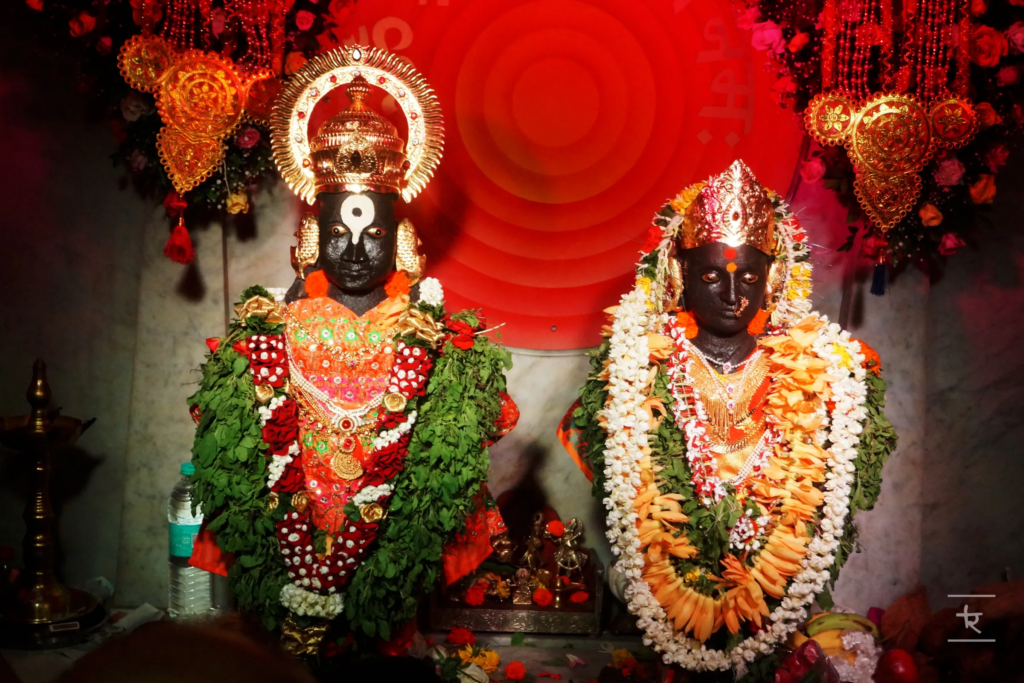
The Marathi word “Prati” means “replica” or “counterpart.”
The Wadala temple came to be known as Prati Pandharpur because devotees believe that worshipping Lord Vitthal here carries the same spiritual significance as visiting Pandharpur, especially for those unable to make the annual Wari pilgrimage.
Every Ashadhi Ekadashi, thousands of devotees visit the temple after observing fasts, singing abhangas and participating in devotional processions, recreating the devotional atmosphere of Pandharpur within Mumbai itself.
The Sant Tukaram Connection
One of the strongest traditions associated with the temple is its connection with Sant Tukaram Maharaj, one of Maharashtra’s greatest Bhakti saints.
According to long-standing temple tradition, Sant Tukaram brought the idol of Lord Vitthal from Pandharpur and consecrated it at Wadala. This belief has been preserved by generations of devotees and forms an important part of the temple’s identity.
While this tradition is deeply rooted in local faith, historians note that documentary evidence from the seventeenth century is limited. Nevertheless, the association remains central to the temple’s religious heritage.
The Temple Through the Ages

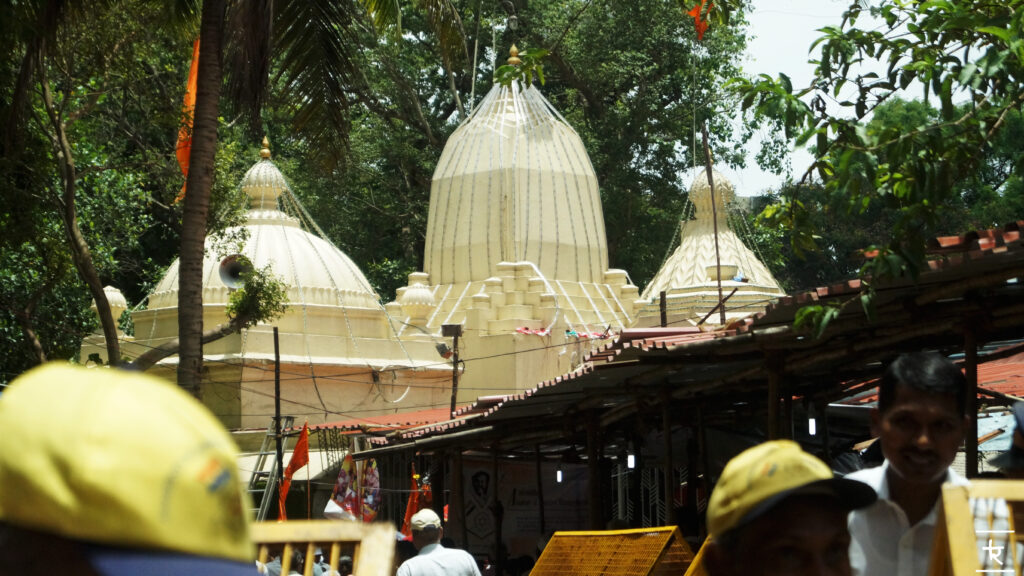
Unlike many historic shrines that have become archaeological monuments, Prati Pandharpur remains an active place of worship.
Over the centuries, the temple has undergone repairs, renovations and expansion to accommodate the growing number of devotees. Despite modern additions, its religious character and Warkari traditions have remained unchanged.
Daily rituals include Kakad Aarti, Regular darshan, Bhajans, Kirtans, Haripath recitation and Evening Aarti.
The temple continues to be managed as a functioning religious institution rather than merely a heritage structure.
Ashadhi Ekadashi – Mumbai’s Mini Pandharpur
The temple comes alive during Ashadhi Ekadashi, the most important festival dedicated to Lord Vitthal.
Several thousand devotees visit throughout the day.
The celebrations include:
Early morning Kakad Aarti
Continuous chanting of “Vitthal Vitthal”
Bhajan and Kirtan programmes
Haripath recitation
Abhanga singing
Long queues for darshan
Community distribution of drinking water, snacks and prasad
Many devotees walk barefoot to the temple, mirroring the tradition followed by Warkaris travelling to Pandharpur.
During recent Ashadhi Ekadashi celebrations, the temple once again witnessed heavy footfall, reaffirming its status as Mumbai’s spiritual counterpart to Pandharpur.
Kartiki Ekadashi Celebrations
While Ashadhi Ekadashi draws the largest crowds, Kartiki Ekadashi is equally significant.
The temple organises special pujas, Bhajans, Kirtans and Devotional programmes throughout the day
Thousands of devotees continue to visit the shrine during Kartiki Ekadashi, maintaining a tradition that has continued uninterrupted for decades.
Architecture and Temple Complex
Unlike the grand stone temple at Pandharpur, Wadala’s Prati Pandharpur is modest in scale.
The complex houses consists of main shrine of Lord Vitthal, Goddess Rukmini shrine, Sabhamandap for bhajans
Courtyard for devotional gatherings.
Nearby are several historic temples, including an old Ram Temple and a Hanuman Temple, creating an important religious precinct in Wadala.
Warkari Tradition in Mumbai
The temple serves as the principal centre of the Warkari Sampradaya within Mumbai.
Throughout the year it hosts Harinam Saptah, Bhajan Mandals, Abhanga recitals, Discourses on saints
Spiritual gatherings.
The teachings of Sant Dnyaneshwar, Sant Tukaram, Sant Namdev and Sant Eknath continue to be propagated through regular devotional programmes.
For many migrant families from western Maharashtra, the temple provides a living connection with their cultural roots.
Cultural Importance
Prati Pandharpur is far more than a neighbourhood temple.
It represents:
One of Mumbai’s oldest surviving devotional traditions.
A living continuation of Maharashtra’s Warkari movement.
An important cultural landmark of central Mumbai.
A bridge between rural devotional traditions and urban life.
A place where generations of families continue annual Ekadashi worship.
Even in an era of rapid urbanisation, the temple preserves centuries-old practices that remain largely unchanged.
Visiting the Temple
Location: Near Wadala Railway Station, Mumbai
Nearest Railway Station: Wadala Road
Major Festivals: Ashadhi Ekadashi, Kartiki Ekadashi, Gokulashtami, Various Warkari religious programmes throughout the year
The temple remains open daily for darshan and worship.
A Living Heritage of Mumbai
In a city known for skyscrapers, expressways and relentless change, Wadala’s Prati Pandharpur stands as a reminder that Mumbai’s heritage is not confined to forts and colonial buildings. It lives equally in places of faith where traditions have continued uninterrupted for centuries.
For countless devotees, a visit to this humble shrine is more than a ritual—it is a spiritual journey that brings the sacred town of Pandharpur to the heart of Mumbai, preserving one of Maharashtra’s oldest devotional legacies for future generations.
Frequently Asked Questions
Is Wadala’s temple really 400 years old?
The temple is widely recognised in local tradition and multiple published references as being around 400 years old, although precise historical records from its earliest period are limited.
Why is it called Prati Pandharpur?
Because it is regarded as Mumbai’s spiritual counterpart to the famous Vitthal Temple at Pandharpur and serves devotees unable to undertake the annual pilgrimage.
Did Sant Tukaram establish the temple?
Temple tradition holds that Sant Tukaram consecrated the idol brought from Pandharpur. This forms an important part of the temple’s heritage, although historians note that documentary evidence from that period is limited.
Which is the biggest festival here?
Ashadhi Ekadashi attracts the largest number of devotees, followed by Kartiki Ekadashi.
Reel of Prati Pandharpur


