


Kanheri caves one of the oldest site in Mumbai which date from the 1st century BC to the 10th century BC. It demonstrate the Buddhist influence on the art and culture in India. This unique Buddhist Monastic sheds light on different phases flourised over there from 2nd century BC to 11th Century AD.
It showcases the art architecture of Hinayana and Mahayana sects of Buddism and Epigraphic data of its time. The cave have 110 in total numbers, are excavated in general plan consisting of a main sanctum and outer courtyard approached through flight of steps. The courtyard has two water cisterns underneath on either side some of the courtyards are provided with sitting benches along the wallls architecturally, caves.
History of Kanheri Caves
The name “Kanheri” is believed to be derived from the Sanskrit word Krishnagiri, meaning “Black Mountain,” referring to the dark basalt rock from which the caves were carved.
Construction of the caves began around the 1st century CE and continued until the 10th century CE. During this period, Kanheri evolved into an important Buddhist learning centre and monastic settlement. Its strategic location near ancient trade routes connecting Sopara, Kalyan, Paithan, and other ports helped attract merchants and pilgrims who contributed to its growth.
The caves showcase the gradual evolution of Buddhist architecture and art over several centuries. Early caves are simple and austere, while later caves feature elaborate carvings, sculptures, inscriptions, and prayer halls.
Architectural Highlights
Cave No. 3 – The Grand Chaitya Hall
The most impressive structure within the complex is Cave No. 3, a massive Chaitya (prayer hall) featuring:
- A large stupa used for worship
- Rock-cut pillars with intricate carvings
- High vaulted ceilings
- Sculptures of Buddha and Bodhisattvas
- Excellent natural acoustics
This cave is considered one of the finest examples of ancient Buddhist rock-cut architecture in Western India.
Buddhist Monasteries (Viharas)
Many caves served as residential quarters for monks. Visitors can still see:
- Stone beds carved into the rock
- Meditation chambers
- Community halls
- Water storage systems
These structures provide insight into the disciplined monastic life practiced centuries ago.
Ancient Water Management System
One of the most remarkable aspects of Kanheri is its sophisticated rainwater harvesting system. Numerous cisterns carved into the rock collected and stored rainwater, enabling monks to live here throughout the year.
Even today, several of these water channels remain visible.

Why Kanheri Caves Are Unique?
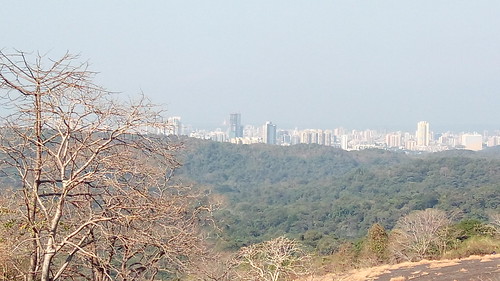
Unlike many archaeological sites located in isolated regions, Kanheri Caves exist within a thriving national park. Visitors can experience:
- Ancient Buddhist heritage
- Dense forest landscapes
- Monsoon waterfalls
- Bird watching opportunities
- Trekking trails
- Panoramic views of Mumbai
This combination makes Kanheri one of the most distinctive heritage destinations in Maharashtra.
Best Time to Visit
Monsoon (June – September)
The surrounding forest becomes vibrant green, waterfalls appear along the rocky slopes, and the atmosphere turns misty and refreshing. This is considered the most scenic season.
Winter (November – February)
Pleasant temperatures make exploration comfortable and ideal for photography and trekking.
Summer (March – May)
Visits are best planned during early morning hours due to high temperatures.
How to Reach Kanheri Caves
By Train
The nearest railway station is:
- Borivali Railway Station (Western Railway)
From Borivali East, the entrance of Sanjay Gandhi National Park is approximately 3 km away.
By Metro
Visitors can also use Mumbai Metro Line 7 and reach nearby stations before taking an auto-rickshaw towards the national park entrance.
By Road
Private vehicles, taxis, and auto-rickshaws can reach the main gate of Sanjay Gandhi National Park.
BEST Bus Services
Popular BEST bus routes connecting Borivali and the National Park area include:
- Bus No. 188 LTD (Borivali East – Kanheri Caves route)
- Bus No. 187
- Bus No. 281
- Bus No. 294
Bus operations and routes occasionally change, so passengers should verify the latest schedules before travelling.
Internal Transport
Kanheri Caves are located approximately 5–7 km inside Sanjay Gandhi National Park. Visitors can:
- Use internal shuttle buses/e-buses
- Hire shared vans
- Rent bicycles
- Walk or trek through the forest road
The journey from the park entrance to the caves typically takes 15–20 minutes by shuttle.
Timings
Sanjay Gandhi National Park – Generally open from 7:30 AM to 6:00 PM
Kanheri Caves – Approximately 9:00 AM to 5:00 PM. Closed on Mondays
Timings may change during special occasions or maintenance activities.
Entry Fees
Visitors usually pay separate charges for:
- Sanjay Gandhi National Park entry
- Internal transport (optional)
- Kanheri Caves entry
Fees are revised periodically by authorities. Recent visitor information indicates cave entry charges generally range between ₹15–₹25 for Indian visitors and around ₹200–₹300 for foreign tourists. Additional charges may apply for park entry and vehicle access.
Activities Around Kanheri Caves
A visit to Kanheri can easily become a full-day outing by combining it with nearby attractions inside Sanjay Gandhi National Park:
Lion and Tiger Safari – A popular family attraction offering a controlled wildlife viewing experience.
Nature Trails – Several forest trails allow visitors to explore the rich biodiversity of the park.
Cycling – Bicycles are available on rent, providing a scenic ride through the park’s forest roads.
Boating – Boat rides are available near the recreational area inside the park.
Bird Watching – The park is home to kingfishers, sunbirds, parakeets, woodpeckers, and numerous migratory species.
Travel Tips
- Wear comfortable walking shoes.
- Carry drinking water.
- Visit early morning for pleasant weather.
- Be cautious around monkeys and avoid carrying visible food items.
- Carry cash or digital payment options for tickets and transport.
- During monsoon, use non-slip footwear as rock surfaces can become slippery.
- Allow at least 3–4 hours to explore the cave complex properly.
Video of Kanheri Caves:


