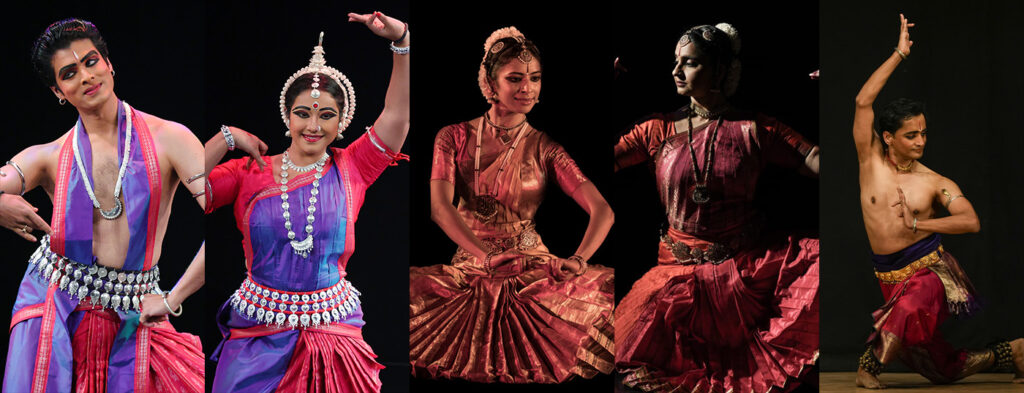
Nestled at the tip of Nariman Point, gazing over the Arabian Sea, stands the National Centre for the Performing Arts (NCPA) — a landmark of artistic expression and cultural heritage that has, for over five decades, shaped the performing arts scene in India and beyond. Often called India’s premier cultural institution, the NCPA was envisioned not just as an auditorium or theatre complex but as a living, breathing home for the arts — a place where tradition and innovation could coexist, evolve, and inspire.
A Vision Takes Shape
The story of the NCPA begins in the late 1960s, born from the combined vision of two remarkable figures: J. R. D. Tata, the industrialist and philanthropist, and Dr. Jamshed J. Bhabha, an ardent patron of the arts. They recognised a pressing need in India — a world-class cultural centre that could champion the country’s rich artistic traditions while embracing global creativity. This aspiration was revolutionary for its time; until then, India had no dedicated multi-venue arts hub that could support classical music, dance, theatre, film, literature, and photography under one roof.

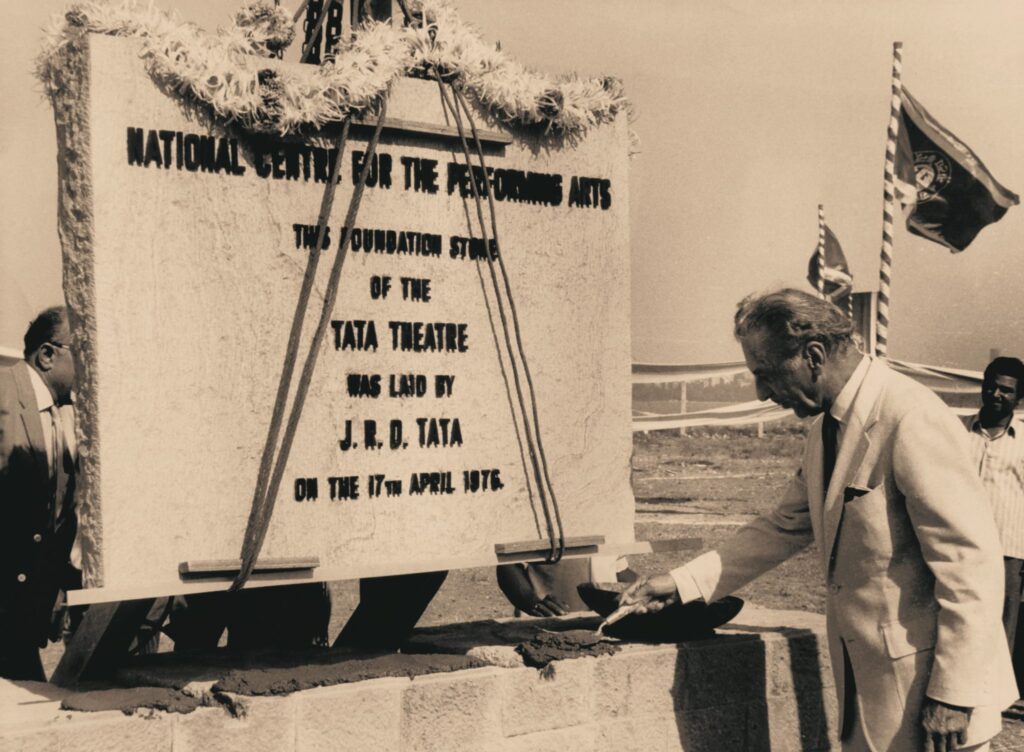
In 1969, the NCPA was inaugurated, marking the birth of the first multi-venue, multi-genre cultural centre in South Asia. From its earliest days, it stood not only as a venue but as a platform for preservation, performance, innovation, and education. Today, it hosts over 700 events annually — from classical Indian concerts to contemporary dance, international theatre productions, and chamber music.
Architectural and Artistic Landmarks
The architectural journey of the NCPA reflects both ambition and craftsmanship. Built on reclaimed land in Mumbai’s bustling downtown, the complex brought together world-class design and deep artistic sensitivity. Some key landmarks include:
- Tata Theatre (1980): Conceived as a space uniquely suited for Indian classical music and performance, its design ensures acoustic balance and audience intimacy.
- Experimental Theatre (1986): A ‘black box’ space that opened new possibilities for avant-garde and workshop-based performances, championed by contemporary theatre practitioners.
- Jamshed Bhabha Theatre (1999): A grander proscenium stage capable of hosting large-scale productions — from operas to international musicals — further expanding NCPA’s artistic reach.
Beyond performance halls, the NCPA campus includes galleries, studios, libraries, and archives — making it not just a performance venue but a cultural ecosystem.
A Cultural Mission with Global Impact
While rooted in Indian artistic traditions, the NCPA has always embraced global cultural exchange. It regularly brings international performers and ensembles to Indian audiences and fosters collaboration with world-renowned institutions. From collaborations with the Southbank Centre and Carnegie Hall to hosting international orchestras and ballet companies, the NCPA’s influence spans continents.
In 2006, the NCPA took another historic step by establishing the Symphony Orchestra of India, the country’s first professional orchestra — a symbol of its commitment to elevating India’s presence on the world stage of classical music.
- Preserving Heritage, Inspiring Generations
- More than a venue, the NCPA serves as a guardian of cultural heritage:
- Its archives preserve thousands of hours of recorded music, film, and performances.
- Its libraries and educational initiatives nurture new generations of artists and audiences.
- Its festivals and regional outreach extend the joy and learning of the arts far beyond Mumbai’s city limits.
This dual focus — honouring tradition while embracing innovation — sets the NCPA apart, making it a living legacy of India’s artistic spirit. It stands today not merely as a building or stage but as a vibrant testament to creative expression and cultural continuity.
Click here to explore the various events at NCPA